In cities big and small, parks are among the places we cherish most. They give us room to move, connect, and unwind, a welcome break from dense development, busy roads, and long workdays.
But there’s a catch: while parks are designed for public use, many people can only visit them in the evenings—after work, after dinner, once the day’s obligations (and heat) subside. That’s usually right around the time many parks in the U.S. close. Gates shut, paths empty, and our chance to enjoy them slips away.
This pattern isn’t universal. From Japan’s lantern-lit gardens to lively European plazas, parks in other parts of the world often stay active well into the evening. Culture and geography play a role—Americans tend to live in larger homes, farther from parks—but lighting, or a lack of it, is a big part of the difference.
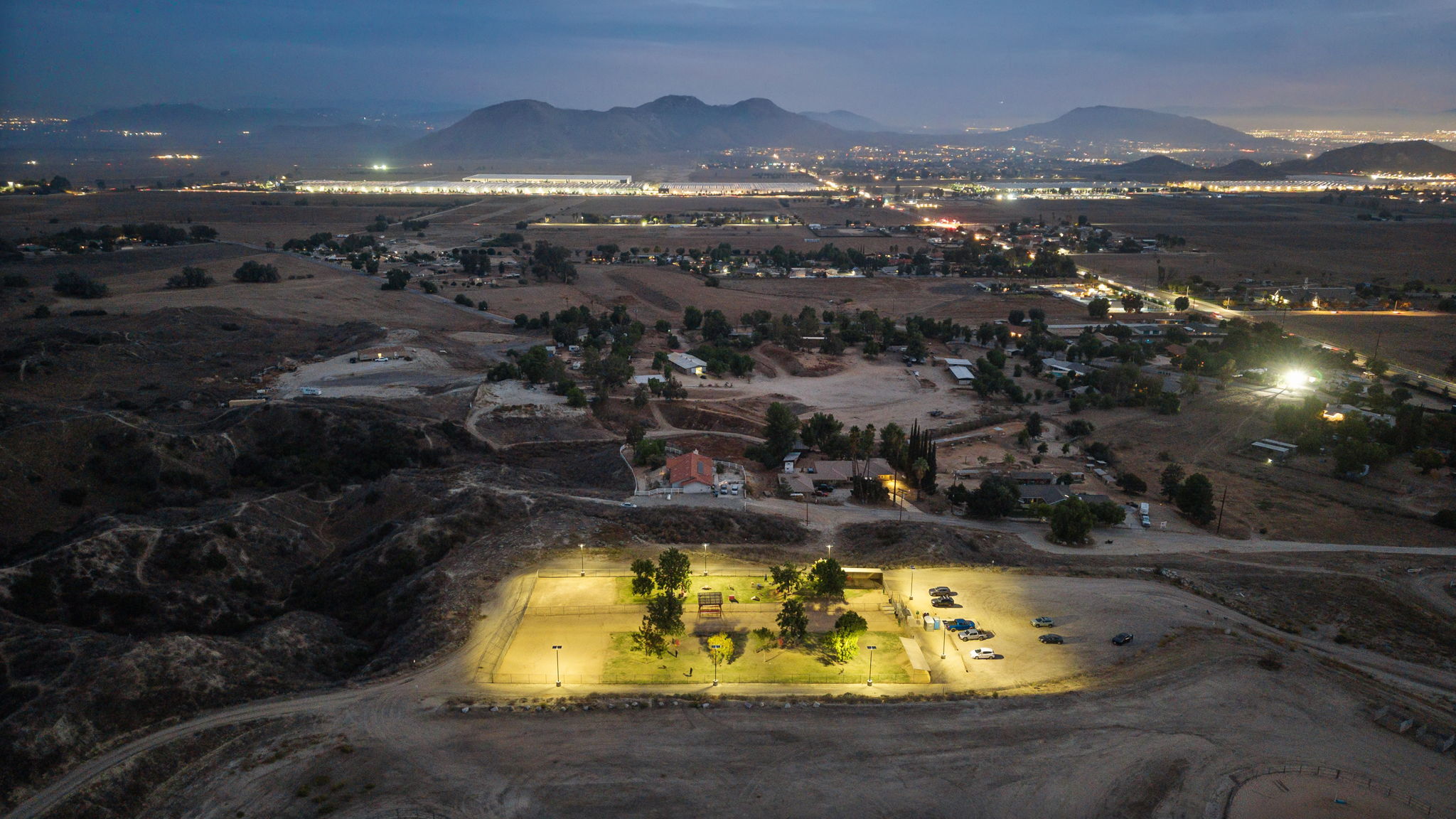
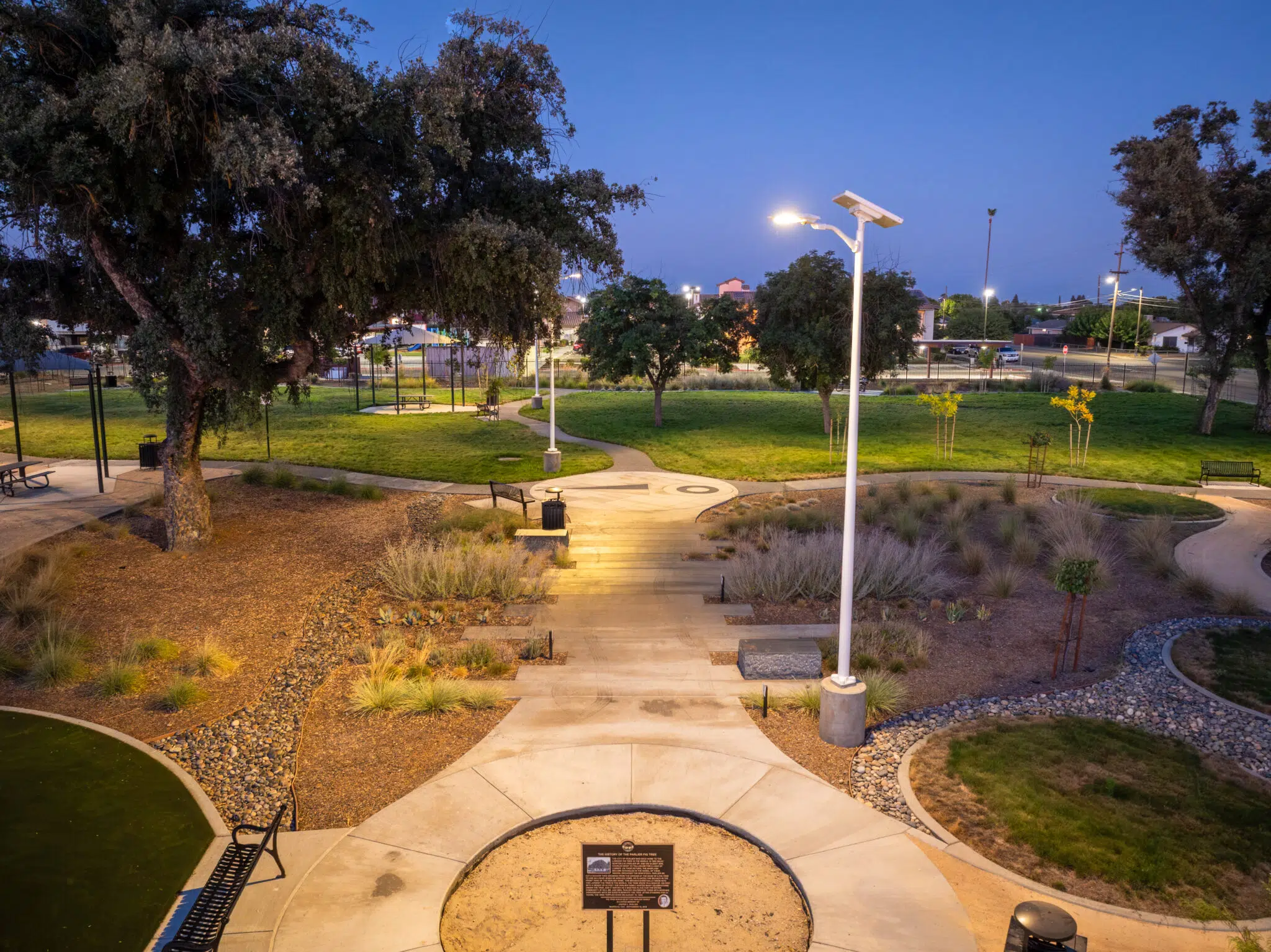
When parks go dark, they can feel off-limits, even when they’re technically still open. Darkness creates a sense of unease and, in many people’s minds, invites trouble. Thoughtfully designed lighting, including solar lighting, can help shift that perception, turning parks into inviting, usable spaces after sunset.
Park lighting requires a thoughtful approach
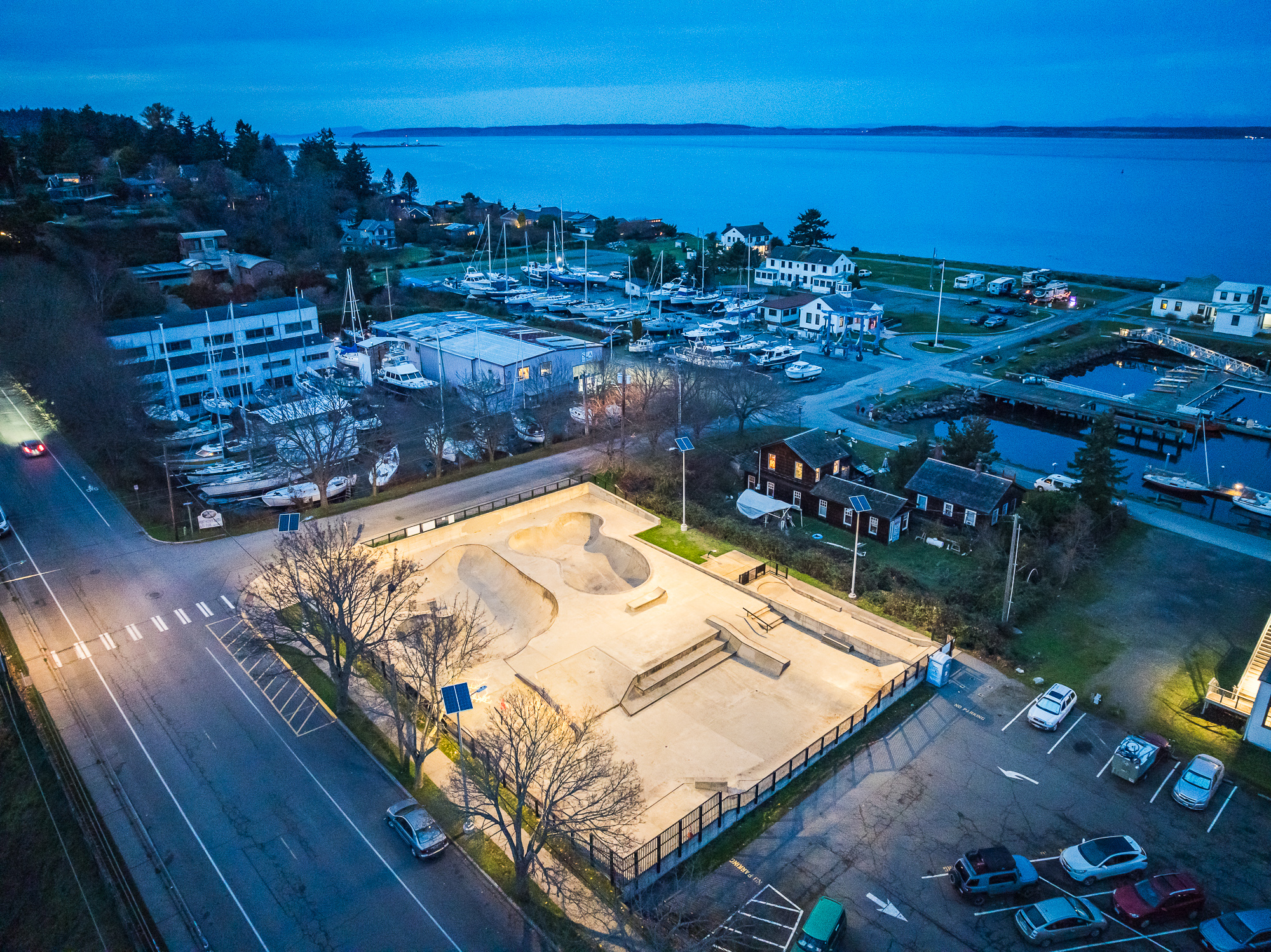
Making parks more accessible and comfortable at night doesn’t mean flooding every corner with bright light. Parks serve a wide range of people and purposes, from evening dog walkers to competitive pickleballers to kids on the swing set. Lighting that works well for one might feel intrusive or out of place for another.
Overpowered lighting can create glare, spoil the atmosphere, and even make spaces feel less safe. It can spill into nearby homes, disrupt sleep, and draw complaints. Then there are the non-human neighbors: parks are habitats too, and bright, always-on lighting can interfere with birds, insects, and other nocturnal wildlife.
The best park lighting is selective. It illuminates the places people need to see—entrances, parking areas, pathways, playgrounds, and courts—while preserving darkness elsewhere. Targeted, low-level, warm-colored fixtures direct light where it’s needed, while scheduled dimming and motion sensors reduce output during quieter hours.
Why traditional lighting falls short
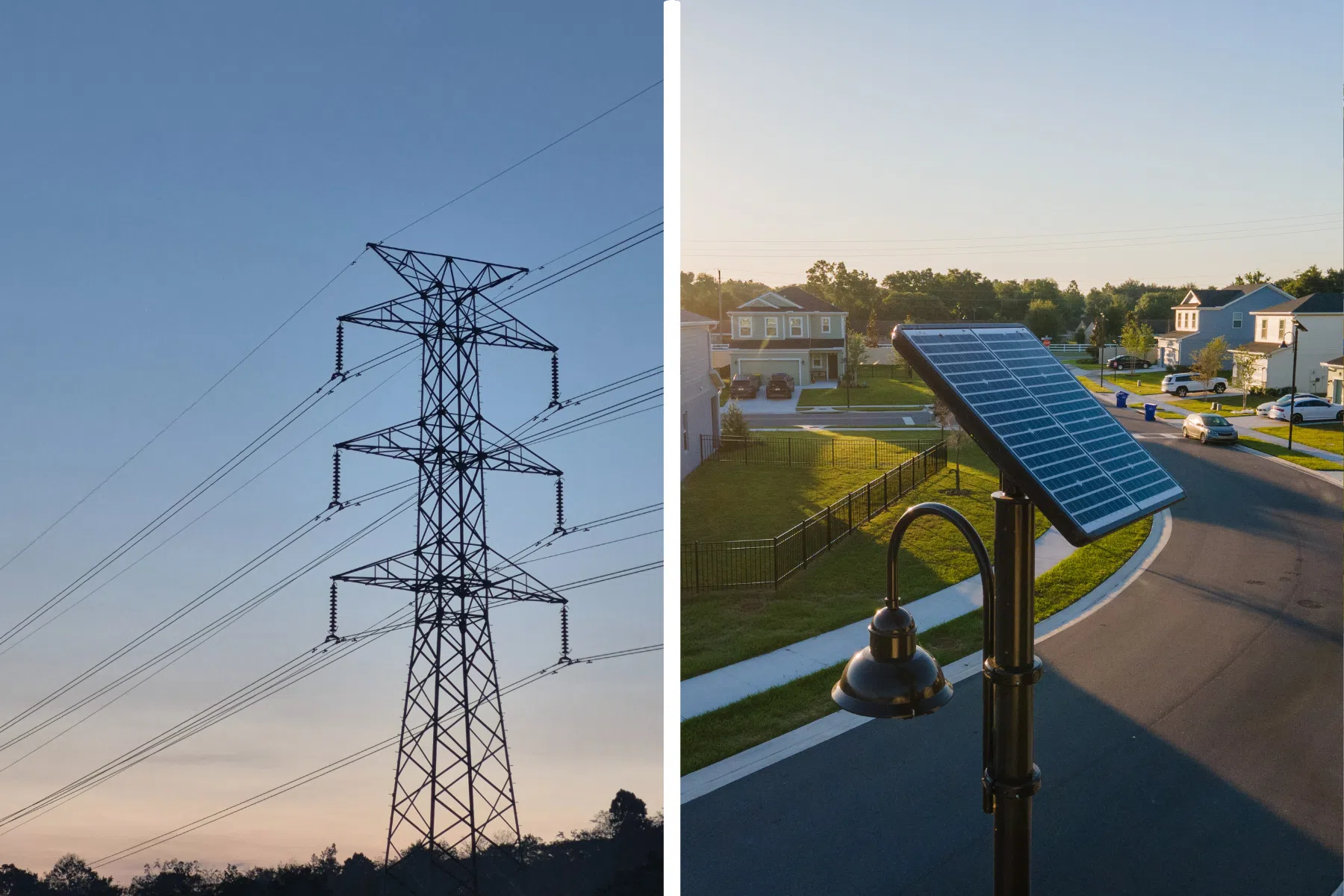
Parks, by nature, tend to sit beyond the reach of existing electrical infrastructure. Many weren’t designed with lighting, and adding it later can be surprisingly complex.
Installing grid-powered lights often involves trenching through paved paths, established landscaping, or mature root systems—a process that’s messy, expensive, and disruptive to both the park and the people using it. Areas may need to close during construction, and once electrical work is complete, paths, lawns, and plantings still need to be restored.
These challenges are amplified in large, linear, or remote parks, where power may need to travel long distances to reach relatively few lights. Trenching, cabling, and site restoration can quickly blow through installation budgets, while utility bills and maintenance add ongoing costs.