Solar flood lights
for defined area lighting.
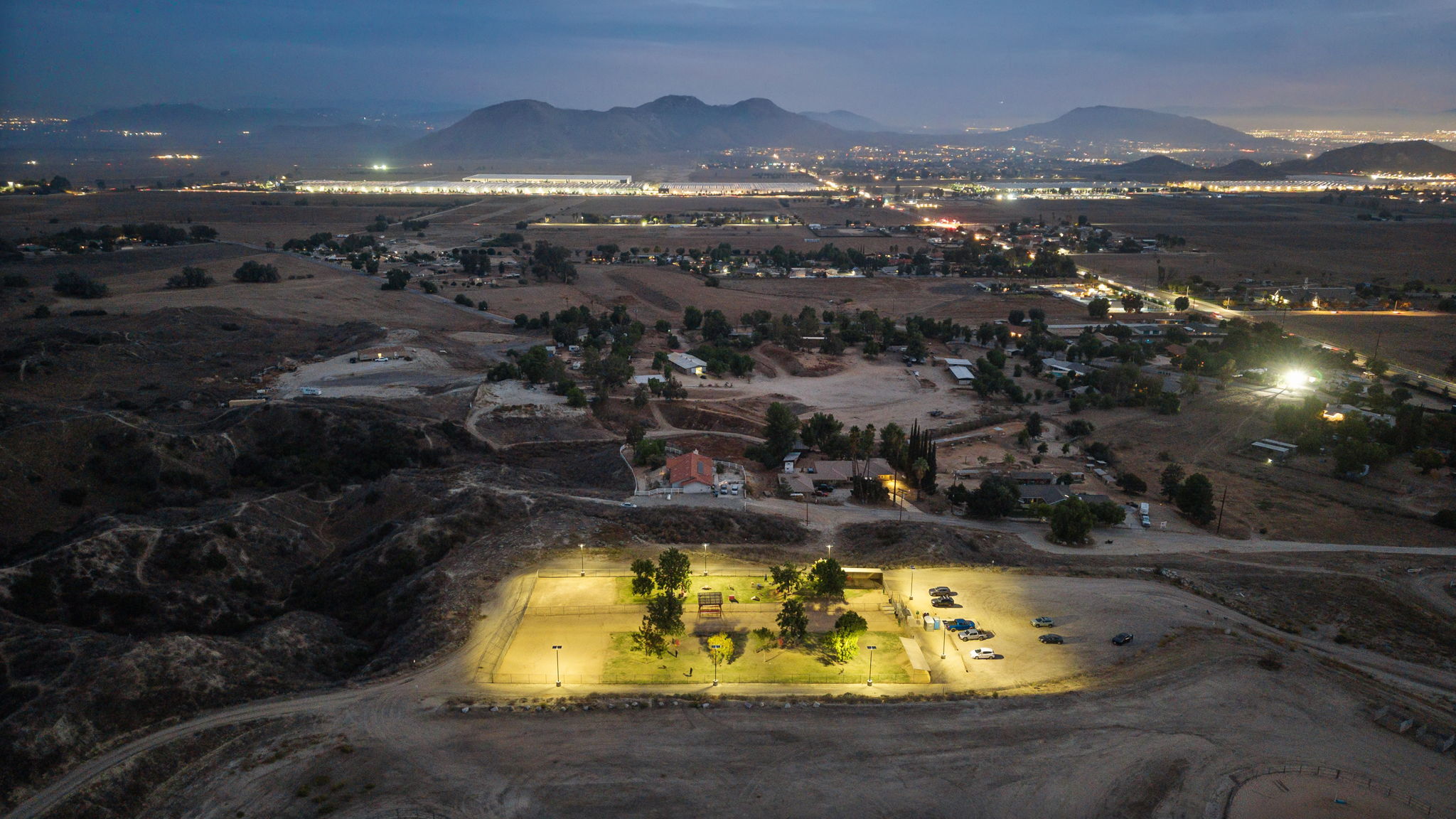
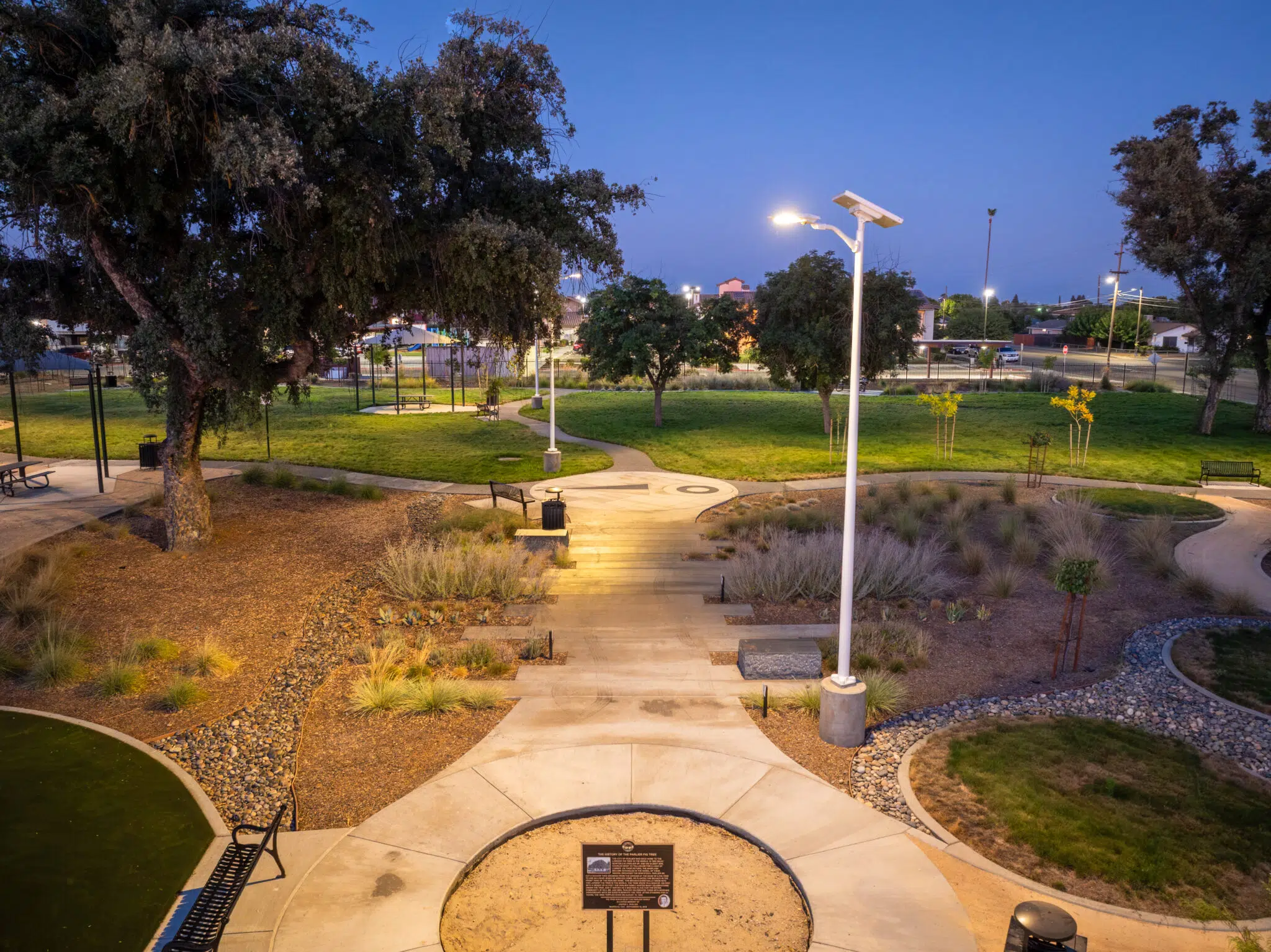
For factory yards, warehouse exteriors, farms, billboards, loading zones and temporary work areas where beam angle, mounting position and control mode decide coverage.
Application
Factory yard / warehouse / farm
Review first
Beam angle and mounting point
Buyer path
Area brief -> model file -> quote
Area lighting fit
Start with the area that needs light.
Flood lights are not chosen by product shape first. The buyer needs to show the surface, distance and mounting point so the beam can be aimed correctly.
Factory yards
Warehouse loading zones
Farms and temporary work areas
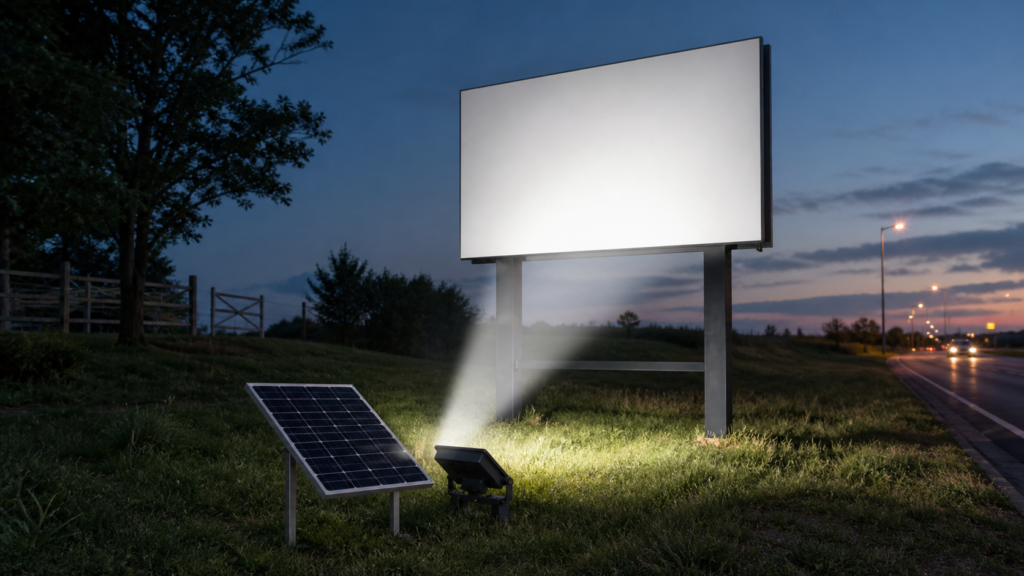
Billboards and signs
Coverage planning
Beam, distance and mounting
decide the result.
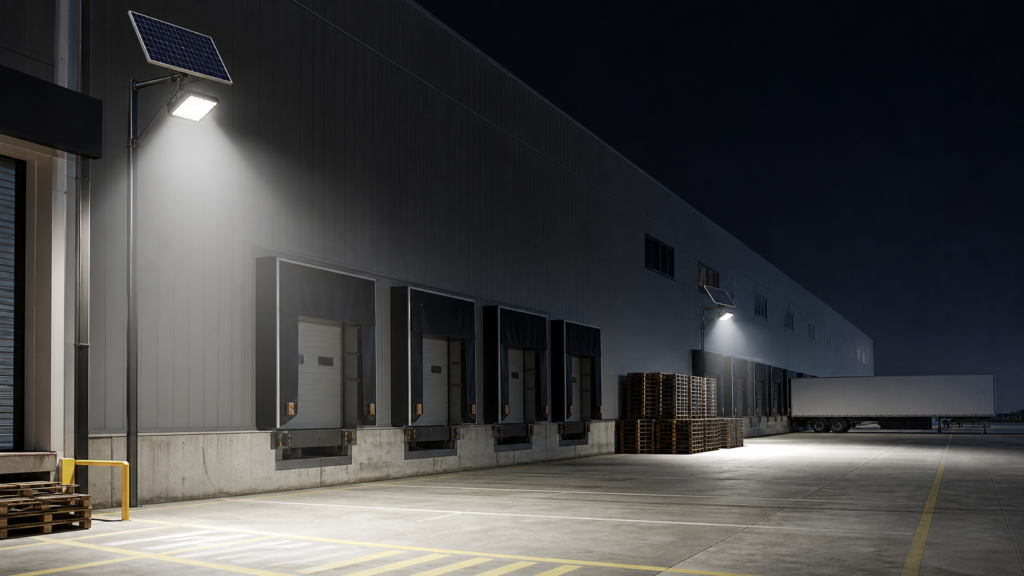
A useful flood-light recommendation begins with the area drawing or site photo. The product model comes after the target surface, mounting point and control expectation are clear.
Beam angle
Narrower or wider distribution changes whether the light reaches a sign, yard corner or work surface.
Throw distance
The distance from fixture to target area should be reviewed before output claims are used.
Mounting position
Wall, pole and bracket placement affect aiming, glare, service access and solar-panel exposure.
Control behavior
Timer, sensor, remote or dusk-to-dawn settings need model-specific confirmation.
Product series
Choose the flood light
type by target area.
The useful split is not just wattage. Buyers first need to know whether they are lighting a compact surface, a wider work area or a project zone that needs stronger documentation.
01 / Compact
Compact solar flood lights
Sign faces and small yards
Shorter mounting distance
Simple control review
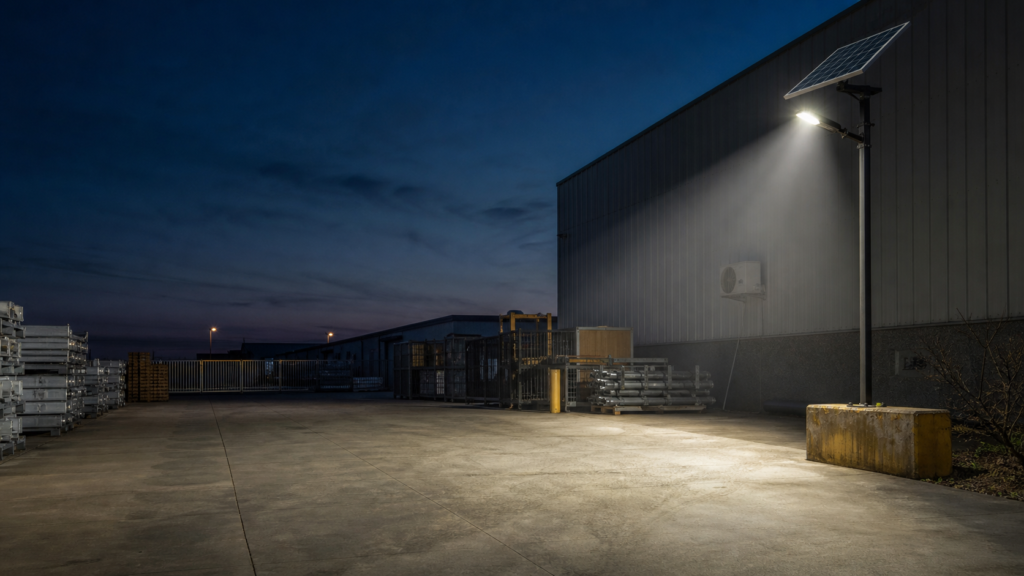
02 / Yard
Wide-area solar flood lights
Factory and warehouse exteriors
Beam spread and reach check
Mounting height review
03 / Project
Project solar flood systems
Remote or temporary areas
Control mode confirmation
Weather file requested
| Buyer check | Compact Area | Wide Yard | Project Beam |
| Product role | Small defined surface | Outdoor work area | Project or remote zone |
| Best area | Signs, gates, compact yards | Factory yards, loading areas, warehouse aprons | Farms, off-grid areas, temporary work zones |
| Review first | Fixture-to-target distance | Beam spread and mounting height | Weather exposure and operating profile |
| Mounting | Wall, bracket or low pole | Pole, wall or structure mount | Project-specific pole or structure review |
| Control | Dusk-to-dawn, timer or sensor by model | Timer, sensor or remote by model | Confirmed by controller file |
| Document output | Model datasheet and installation file | Datasheet, aiming note and IP file | RFQ package, weather file and commercial terms |
Specification parameters
Flood specs start with the target zone.
Beam angle, range, mounting angle, control mode and weather resistance should be tied to the exact model and site condition before quotation.
Beam angle
Coverage shape
Confirm by model
Lighting range
Target distance
Confirm by site
Mounting angle
Aiming position
Confirm by layout
IP / weather
Outdoor proof
Confirm by file
| Parameter | Draft value / range | Proof status |
| Fixture format | All-in-one integrated street light | Product family |
| Application | Local roads, campuses, compounds, pathways, distributor programs | Sample positioning |
| Mounting | 4–10 m pole height sample range; arm and bracket confirmed by model | Sample value |
| Solar panel / battery / controller | 45–150W panel, 256–960Wh LiFePO4, PWM/MPPT controller options | Sample value |
| Lumens / wattage / CCT / optics | 30–100W, 4,800–16,000 lm, 3000K / 4000K / 5700K sample options | Sample value |
| Runtime / autonomy / IP rating | 10–12h night profile, 2–3 rainy days, IP65/IP66 sample target | Sample value |
| Certifications | CE / RoHS / test report package can be prepared by model and destination market | Sample commercial field |
| Warranty / MOQ / lead time | 2–5 year warranty options; 30–50 pcs MOQ sample; 20–30 day lead-time sample | Sample commercial field |
| Packaging / private label | Neutral carton, logo label, color box, manual and pallet plan available for review | Sample commercial field |
Engineering support
Support files for
area-lighting projects.
Flood-light buyers often need a short engineering handoff before price: where the beam lands, how it mounts and which files can support the claim.
Target-area review
Use a photo, sketch or dimensions to clarify the surface that needs light.
Aiming and mounting note
Panel exposure, fixture angle, bracket position and service access are checked before model lock.
Control-mode file
Timer, sensor, remote and dusk-to-dawn behavior stay tied to the selected controller.
IP and weather file
Outdoor exposure, destination climate and certification needs are confirmed before quotation wording.
Certification & assurance
Weather proof is confirmed by model.
Flood lights often sit in exposed locations, so waterproof and weather-resistance language should be checked against files before it appears in a quote or catalog.
IP rating file
Ingress-protection claims are confirmed from the selected model record.
Outdoor material check
Housing, bracket, fastener and finish details are reviewed by product line.
Runtime boundary
Night profile, control mode and local solar resource affect the final operating expectation.
Commercial proof
Certificates, warranty, MOQ, packaging and lead time are confirmed during RFQ.
Manufacturing & QC
Flood light QC
touchpoints.
QC should connect the fixture, controller and documents so the buyer can approve one reliable product package.
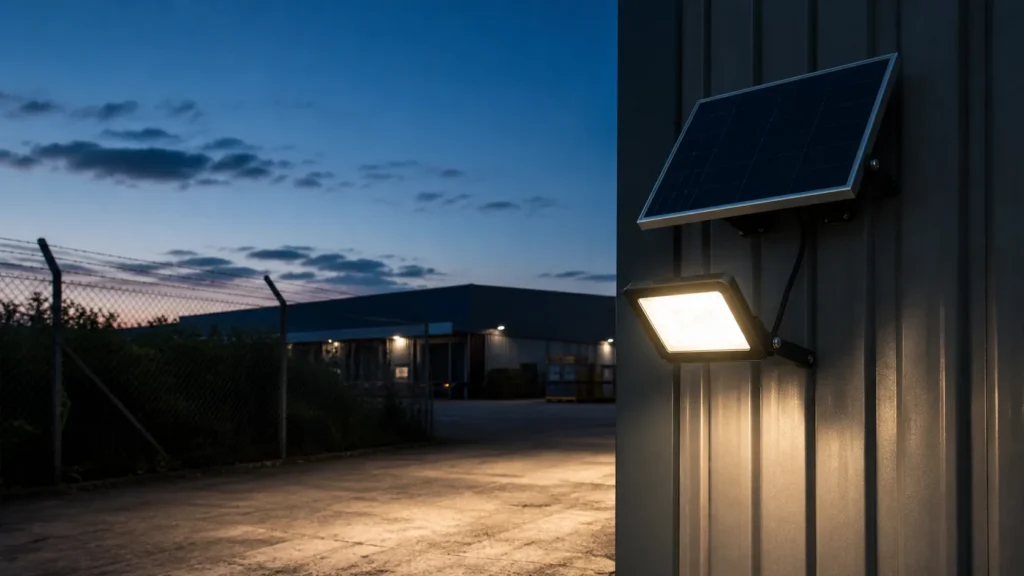
Fixture and beam check
Lamp head, lens, bracket and aiming hardware are checked before the product is used in a project quote.
Weather enclosure review
Housing, seals, cable exits and exposed mounting parts are reviewed against outdoor use requirements.
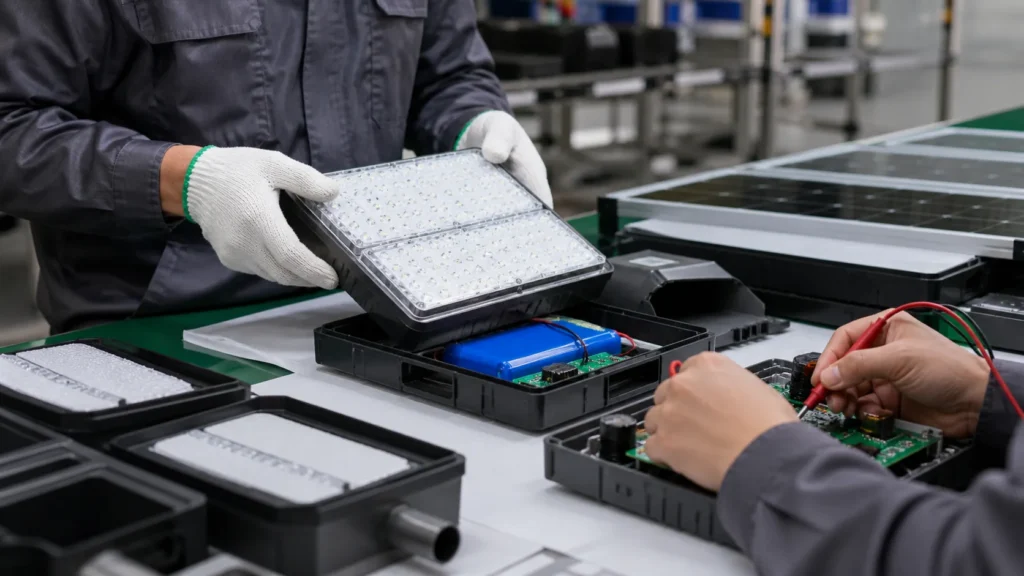
Document control
Datasheets, controller behavior, IP files and commercial terms are tied to the exact selected model.
Buyer questions
Flood questions
start with the area.
How do I choose the beam angle?
Start from the target surface and mounting distance. Beam angle should be selected from model files after the area photo or drawing is reviewed.
What area information should I send?
Send the target area type, approximate dimensions, mounting point, mounting height or angle, expected operating hours and destination country.
Can one flood light cover a whole yard?
It depends on the model, mounting height, beam spread and required brightness. The page avoids fixed coverage promises until the project inputs are reviewed.
Which control modes are available?
Dusk-to-dawn, timer, sensor or remote options can be discussed, but the final behavior should come from the selected controller file.
RFQ inputs
Send the area to light first.
Useful flood RFQ message fields
Factory yard, warehouse, farm, billboard, loading zone or temporary work area
Distance from mounting point to target surface
Pole, wall, bracket or existing structure condition
Preferred operating schedule and control behavior
Required datasheet, IP/weather file, certificate or commercial terms
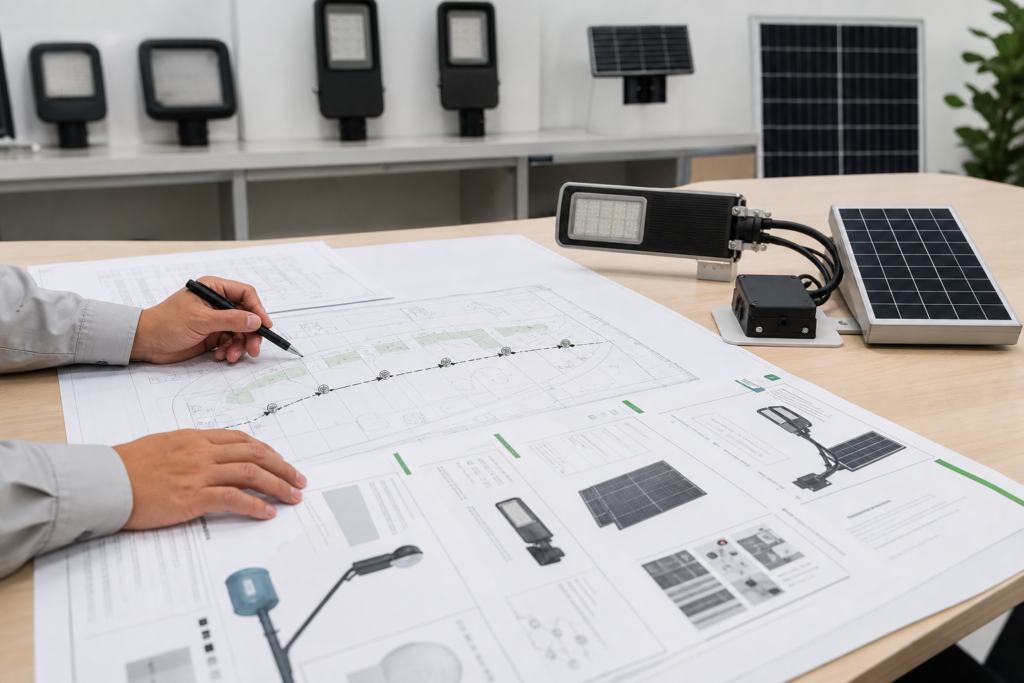
01 Target area photos, sketch or dimensions
02 Mounting point, height and aiming direction
03 Expected lighting distance or coverage area
04 Control mode: timer, sensor, remote or dusk-to-dawn
05 Destination country plus IP, certificate or weather-file needs